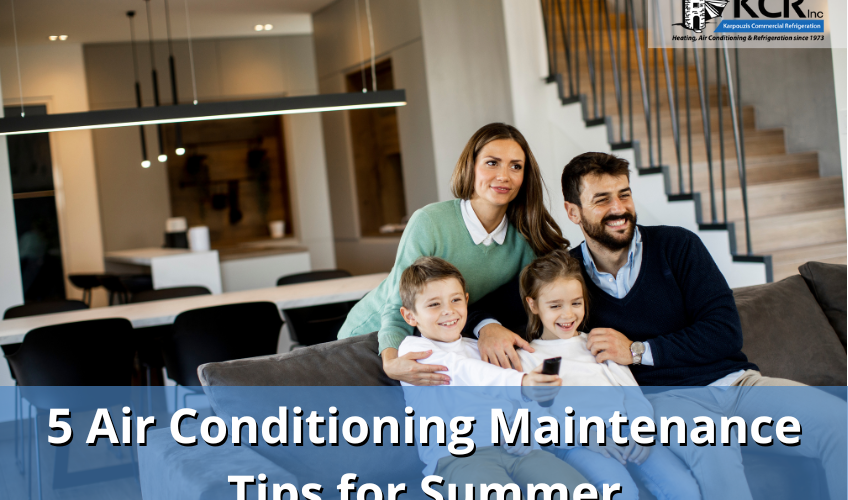
5 Air Conditioning Maintenance Tips for Summer
With warmer weather fast approaching, we’ve compiled a list of simple, cost-effective measures to upgrade your home’s air conditioning maintenance. With these tips, you can extend the life of your home cooling system without major repairs and installation.
According to the U.S. Department of Energy Information, the total electricity use for cooling U.S. households was roughly 226 billion kWh in 2019. This usage totals nearly 16% of total home electricity consumption and 6% of the total electricity consumption in the country. That makes using central air conditioning maintenance part of the largest energy expense for a typical U.S. home.
Our licensed and EPA-certified technicians have the skill set and toolset to get your repairs and installations done right the first time, every time. With over 40 years in air conditioning maintenance, KCR is a trusted name in residential HVAC.
1) Replace old AC units with newer, efficient versions.
Put money toward a brand-new version of your AC model. Replacement costs might appear daunting, but the investment pays for itself in the future. KCR’s catalog includes brands, models, and sizes for every household.
2) Buy a programmable thermostat.
Programmable thermostats let you control your HVAC units when you’re not there. Mitsubishi ductless systems or Honeywell TrueHOME thermostats are some of the most popular brands in our catalog for residential HVAC.
3) Change your air filters every 6 months.
Air filters must be replaced to market a better system operation. Dirty or clogged air filters bring about well-being concerns as well as may cause an interruption in the airflow.
Clogged air filters in your furnace could leak carbon monoxide fumes into your home. Check filters frequently, cleaning or replacing your HVAC system at least every three months.
Do you need reliable HVAC Repair?
4) Shield your HVAC unit from debris and sunlight.
Nevertheless, note that shrubbery will hinder the system’s operation. Branches or leaves that enter the machine could result in irreversible damage. You don’t want your machine to break down because of preventable blockage from your patio, deck, or backyard.
5) Ensure that ports are open and clean.
A clean port additionally keeps debris from streaming through your house. Debris and dirt can quickly roll up and could be overlooked; make sure you give attention to the surface in addition to the interior of your residence and make sure your port and air filters have been in good shape.
When your system is running properly, heating and cooling safety issues are often overlooked. If something went wrong, would you and your family know how to handle it? What safety measures should you take to protect your family regarding your maintenance of heating and air conditioning? Our heating and cooling repair experts outline safety tips on this page.
How to Properly Install Your Residential HVAC System
Here are a few comprehensive guidelines on air conditioner placement and operation:
- The unit should be level when installed so that the inside drainage system and other mechanisms operate efficiently. Install the unit in a shaded spot on your home’s north or east side if possible. Direct sunshine on the unit’s outdoor heat exchanger decreases efficiency by as much as 10%. You can plant trees and shrubs to shade the air conditioner, but do not block the airflow.
- Set the fan speed on high, except on very humid days. Set the fan speed on low for more comfort when humidity is high. The low speed on humid days will cool your home better and remove more moisture because of slower air movement through the cooling equipment.
- Consider using an interior fan with your window air conditioner to spread the cooled air more effectively through your home without greatly increasing electricity use. For bigger homes, you may want to consider a Mitsubishi ductless air conditioning system.
- Set your air conditioner’s thermostat as comfortably as possible in the summer. The less difference between the indoor and outdoor temperatures, the lower your overall cooling bill will be. And don’t set your thermostat at a slighter than normal when you turn on your air conditioner. It will not cool your home any faster and could result in excessive cooling and unnecessary expense.
- Don’t place lamps or televisions near your air conditioning unit’s thermostat. The thermostat senses heat from these appliances, which can cause the air conditioner to run longer than necessary.
Keep your AC unit running at 100%!
How to Practice Air Conditioning Safety
Here are some crucial goals you should consider about air conditioning maintenance:
- Designate family-friendly areas – Block children and pets from accessing rooms that contain air conditioning controls to prevent potentially dangerous accidents from electrical outlets and heavy equipment.
- Schedule annual professional maintenance – Leave your air conditioning maintenance to the professionals. Professional HVAC technicians can check your system for safety issues resulting from a faulty system and ensure your heating or air will be there when you need it most.
Managing Humidity Levels for New England Summers
Navigating the humid summers in New England requires more than just cooling the air; it involves managing indoor humidity to maintain comfort and health. High humidity levels can make even moderately warm days feel uncomfortable and can contribute to mold and mildew growth inside your home. Proper air conditioning maintenance is crucial in controlling these humidity levels effectively.
One effective strategy is to ensure your AC system includes a dehumidification function that works alongside cooling. Many modern air conditioners are equipped with settings that specifically target humidity without overcooling your home, thus providing a balance that can save on energy costs while enhancing comfort. Regular maintenance checks, such as cleaning the evaporator and condenser coils and ensuring the drainage system is not blocked, also play a vital role in the system’s efficiency in removing excess moisture from the air.
Installing a whole-home dehumidifier can complement your AC system by maintaining optimal humidity levels throughout your house. This system is especially beneficial in areas like basements, where dampness tends to accumulate. By keeping indoor humidity under control, homeowners can avoid the discomfort and health risks associated with high moisture levels, making your home a haven from the sticky New England summer weather.
Stay Safe in Severe Weather
Here’s how to stay safe when the weather changes:
- Prepare for extreme weather – Power failures, storms, and other disasters could occur at any time, so take precautions to familiarize yourself with how components in your home, such as your heating and air system, function to increase your safety and comfort.
- Practice electrical safety – Educate yourself and older family members on how to operate circuit breaker controls for your home’s air conditioning maintenance and other appliances. Turn off circuit breakers during a power outage to prevent harmful spikes in electricity that could occur when power comes back on.
- Install surge protectors – Installing a surge protector on your air conditioning system protects expensive equipment when you are away. A surge protector will automatically shut down power to your system if an electrical spike occurs.
- Schedule a professional inspection after a major disaster – Floods, hurricanes, and more can affect your cooling system, resulting in unsafe operation. Following a natural disaster, inspect your residential HVAC system before turning the power back on.
Beat the Heat with KCR’s AC Installation!
KCR: The Leader in Home Comfort Since 1980
Your HVAC maintenance appointments should work around your schedule. For over 50 years, KCR Inc. has helped homes and businesses choose the right air conditioning unit and walk-in cooler repair. We’re proud to provide our customers with peace of mind and energy efficiency for their commercial refrigeration and Mitsubishi air conditioning repair.
You can also follow us on Facebook for exciting product updates and promotions!